
A Space for Mindful Movement
Develop strength, flexibility, and movement control through structured practice
Expand your understanding
Each session focuses on structured movement exercises performed with awareness and attention. Participants work through carefully designed sequences that help develop motor skills and physical capabilities at a comfortable pace.
The approach emphasizes quality of movement over intensity, allowing each person to progress according to their own body's response and readiness.
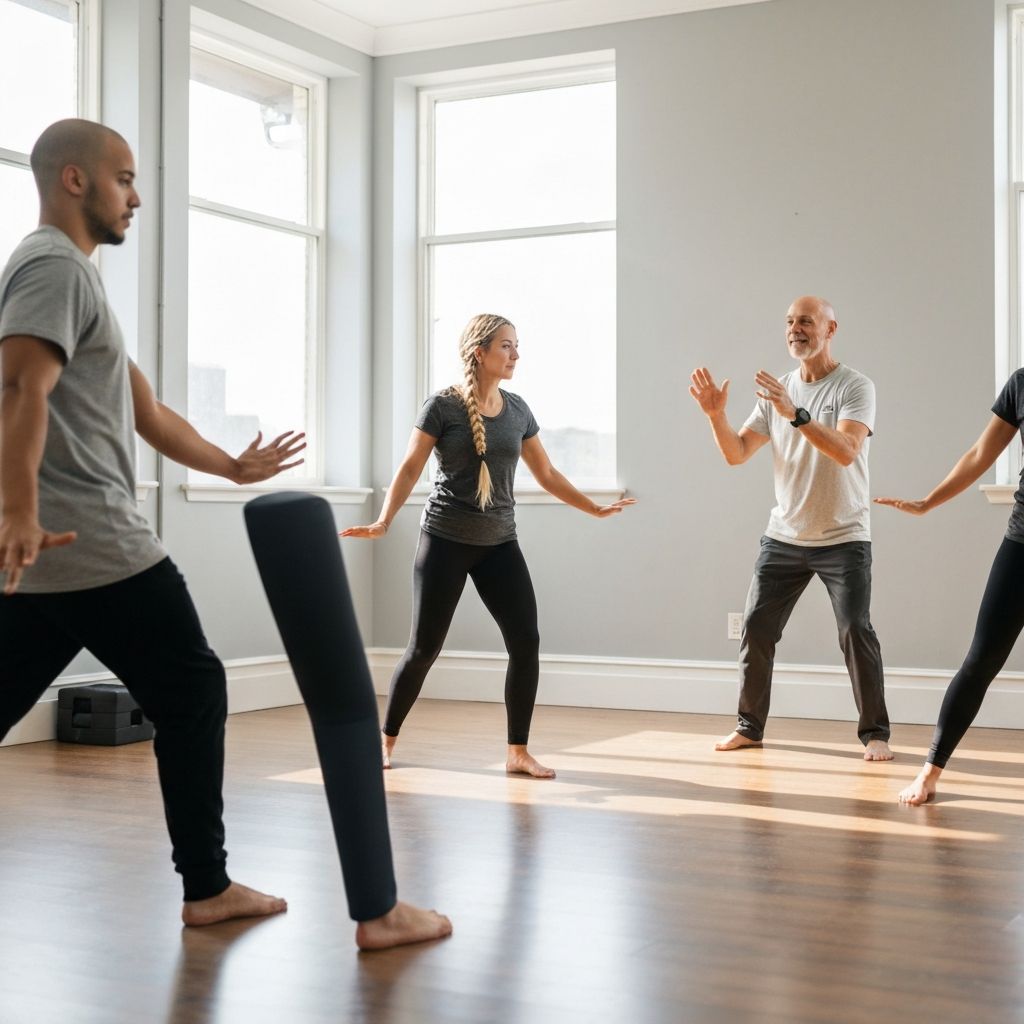
The studio environment supports gradual development rather than pushing for immediate results. Each exercise is introduced with clear explanation and demonstration, allowing participants to understand the movement pattern before attempting it.
Instructors observe and provide guidance on form and technique, helping participants refine their movement execution over time.
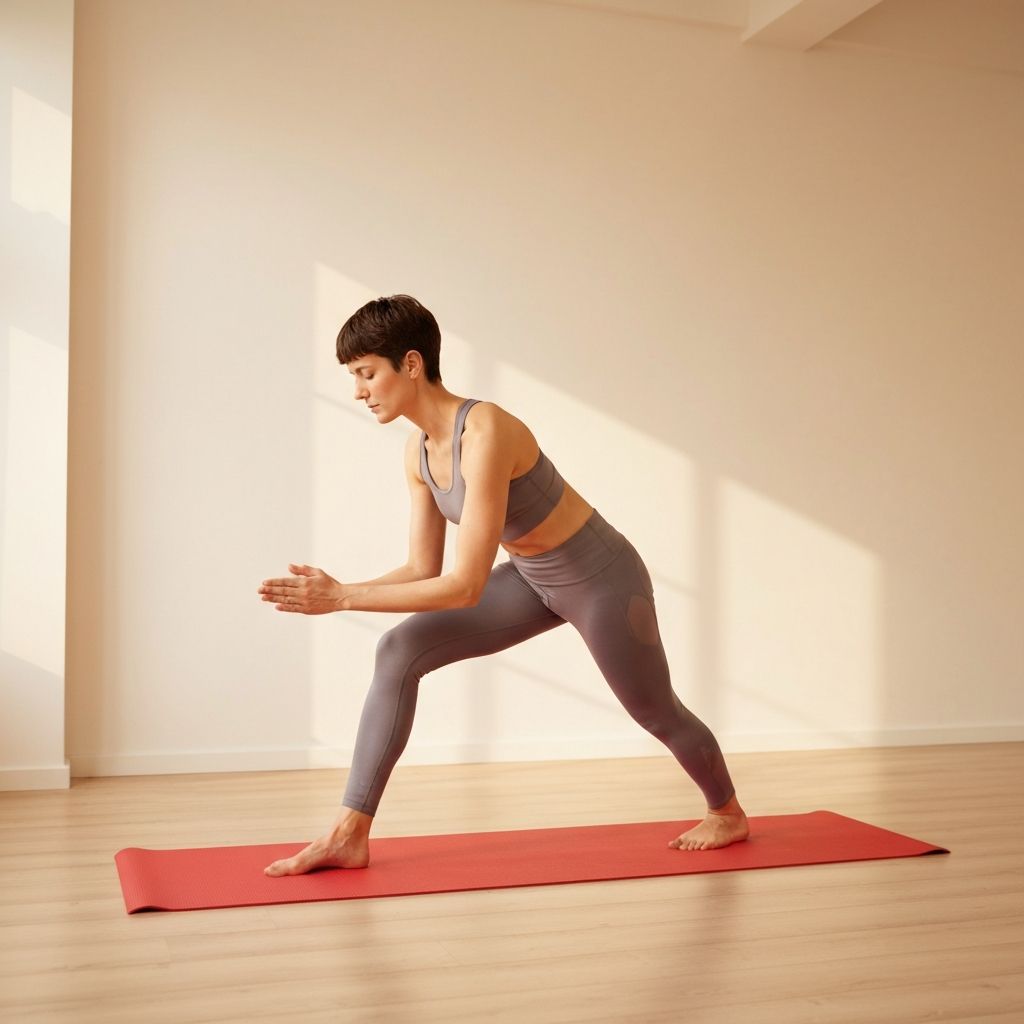
Sessions are structured to allow proper rest between movements and adequate time for the body to adapt to new physical demands.
Understanding basic movement patterns forms the foundation of the practice. Participants learn to recognize proper body alignment and positioning, which supports more efficient movement in daily activities.
Developing physical strength involves learning to engage muscles effectively rather than simply applying force. This approach helps build sustainable strength that supports long-term physical capability.
Increasing range of motion occurs through progressive exposure to gentle stretching and controlled movements. The emphasis is on gradual adaptation rather than forcing the body beyond its current capabilities.
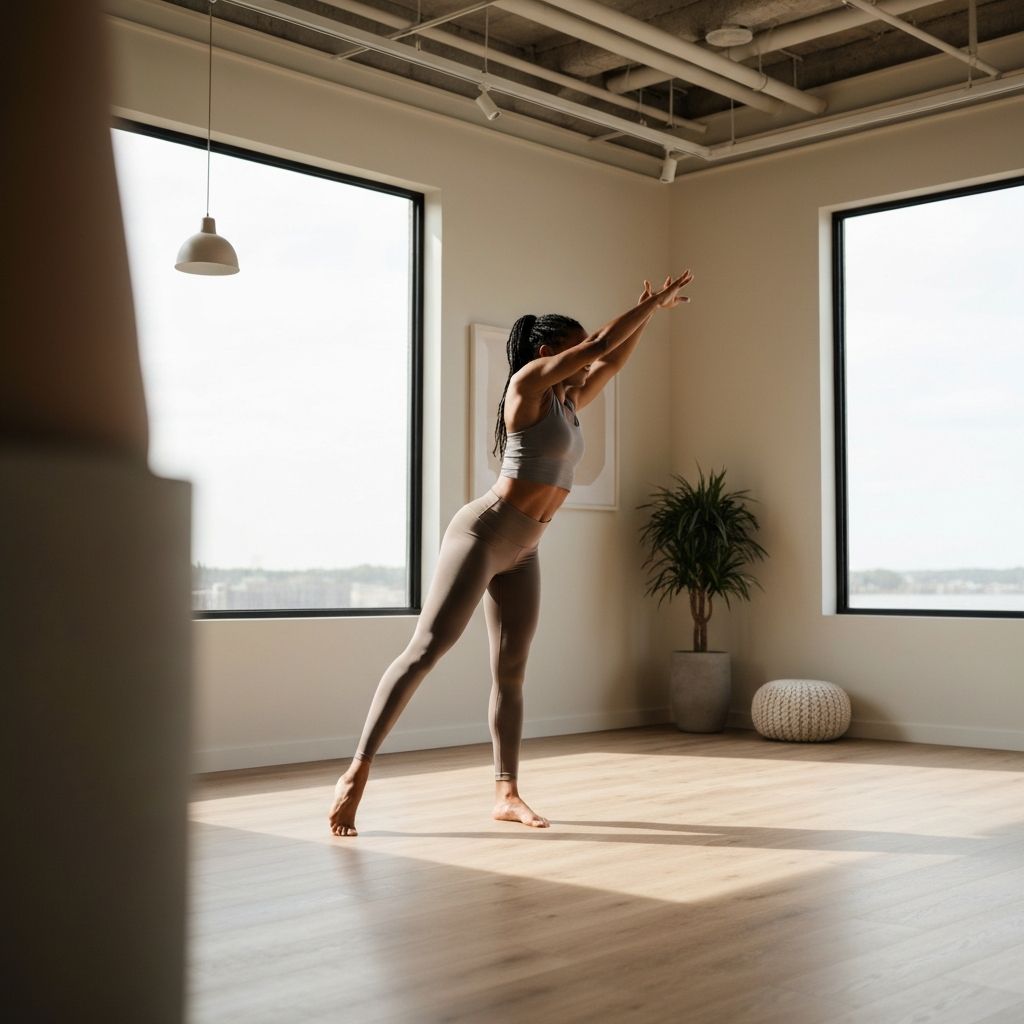
Learning to maintain stable positions and transitions helps support everyday activities. The exercises address practical movement patterns that people use regularly in their daily routines.
Participants develop greater awareness of their body position and movement through space. This includes understanding weight distribution and how to maintain equilibrium during various activities.
Through focused practice, individuals learn to sense their body's position and movement amplitude more accurately. This heightened awareness supports better movement execution and coordination.
Sessions are conducted in small groups where participants work on similar exercises while receiving individual attention from instructors. The group environment provides structure while allowing for personal adaptation of movements.
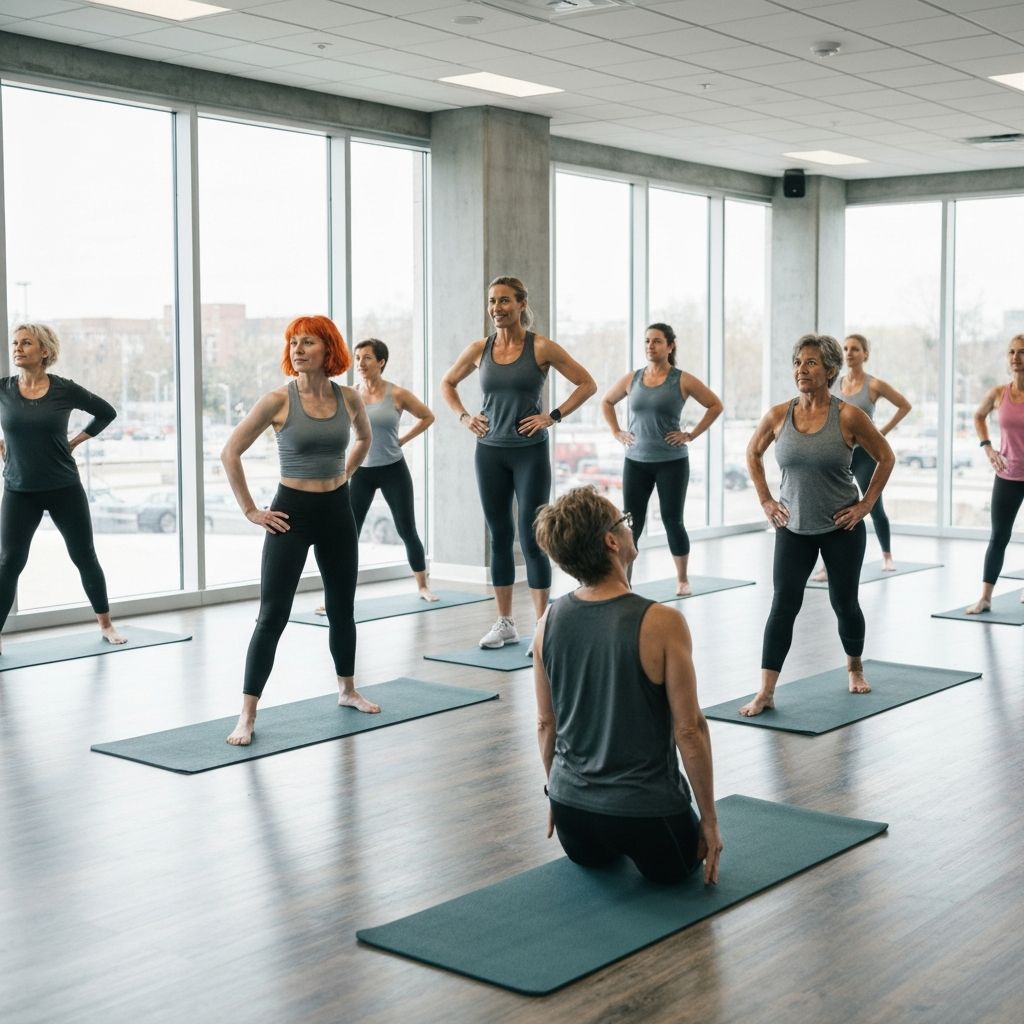
Each person has unique physical characteristics and movement patterns. Instructors provide guidance that accounts for these individual differences, helping participants work within their own capabilities while gradually expanding them.
The exercises relate directly to common daily activities such as reaching, bending, lifting, and walking. This practical focus helps participants transfer their learning to everyday situations.
Movement instructors observe participants during sessions to provide specific feedback on technique and form. This guidance helps refine movement patterns and address areas that need attention.
"The structured approach helped me understand how my body moves better. The instructors explain everything clearly."
"I appreciate the gradual pace. No pressure to perform beyond what feels appropriate for my body."
"The focus on movement quality rather than quantity makes each session feel purposeful and manageable."
Sessions typically last 60 minutes and include guided movement exercises performed in a group setting. Instructors demonstrate each exercise and provide individual feedback as participants practice.
No previous experience is required. The exercises are introduced progressively, starting with foundational movements before advancing to more complex patterns.
Wear comfortable clothing that allows free movement. The studio provides any equipment needed for the sessions.
Many participants find that attending 2-3 times per week provides good continuity for developing movement skills, though individual schedules vary.
Explore how structured movement practice can support your physical development and daily activities.
Dive deeper into the topic